
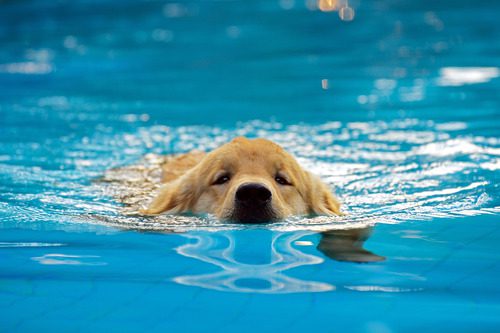
Many people assume all dogs are born knowing how to swim, but that’s not entirely true. While some breeds take to the water naturally, others struggle to stay afloat. The truth about dogs and their swimming abilities depends on factors like body structure, breed, and experience. This blog will help you understand these differences so you can help keep your pet safe and comfortable during water activities. So, if you’ve ever wondered, can all dogs swim, the answer might surprise you.
Can All Dogs Swim? The Simple Answer
Not all dogs can swim well, and some can’t swim at all. While the instinct to paddle comes naturally to most canines, the ability to stay buoyant and move efficiently in water isn’t universal. Breeds like Labrador Retrievers, Golden Retrievers, and Newfoundlands often excel at swimming because of their strong builds, water-resistant coats, and natural affinity for water. On the other hand, dogs with short legs, heavy bodies, or flat faces may find swimming challenging—or even dangerous—without supervision and support.
Knowing the truth about whether all dogs can swim is essential for keeping your pet safe during summer activities, boating trips, or playtime by the pool. At Comal Pet Hospital & Resort in New Braunfels, TX, our team loves helping pet owners learn how to introduce dogs to water safely and confidently.
Why Some Dogs Love the Water (and Others Don’t)
Just like people, dogs have their own preferences and comfort levels. Some dogs leap joyfully into a lake, while others cautiously tiptoe near the edge. This behavior often ties back to breed characteristics, past experiences, and confidence levels.
Breeds That Excel in the Water
Certain breeds have been bred for water work for generations. Retrievers, Spaniels, and Newfoundlands, for example, have strong muscles, webbed feet, and coats that repel water. Their enthusiasm for swimming often makes them excellent companions for outdoor adventures involving lakes, rivers, or the Gulf Coast near New Braunfels.
Breeds That May Struggle with Swimming
Dogs with short muzzles (brachycephalic breeds) such as Bulldogs, Pugs, and Boxers, can easily tire in water because they must keep their heads tilted high to breathe. Heavy or short-legged breeds like Dachshunds and Corgis may also find swimming difficult since their bodies aren’t designed to stay buoyant. For these dogs, a safe and supervised approach to water play is essential.
How to Safely Introduce Your Dog to Water
If you’re wondering how to help your dog get comfortable around water, start slowly and positively. While not all dogs can swim, most can learn to enjoy splashing and wading with the right encouragement.
- Start with Shallow Water: Begin in a calm, shallow area where your dog can stand and feel secure. This helps build confidence without overwhelming them. A gentle introduction prevents fear and ensures your dog associates water with fun, not stress.
- Use Positive Reinforcement: Bring along treats, toys, and lots of praise. Reward your dog for stepping into the water, paddling, or showing curiosity. Patience is key, especially for dogs that seem nervous or hesitant.
- Always Supervise and Use Safety Gear: Even if your dog appears to swim well, constant supervision is a must. A well-fitted canine life jacket provides extra buoyancy and visibility, especially for boating or swimming in deeper waters. Many life vests even include handles, making it easy to lift your dog safely back onto a dock or boat.
Recognizing When a Dog Isn’t Enjoying the Water
Just because swimming looks fun doesn’t mean every dog enjoys it. Watch for signs that your pet feels anxious or tired. Shaking, whining, or trying to climb out of the water may signal discomfort or fear. Fatigue can also set in quickly, especially in smaller dogs or those with less stamina.
Respect Your Dog’s Limits
Forcing your dog to swim can create long-lasting fear of water. Instead, go at your dog’s pace, providing reassurance and plenty of breaks. With patience and positive experiences, many dogs learn to enjoy water at their own comfort level.
Swimming Safety Tips for Dogs
Before heading out for a swim, consider these safety guidelines to keep your dog protected and happy.
Avoid Strong Currents and Deep Water
Even skilled swimmers can tire quickly in strong currents. Choose calm bodies of water like a pool, gentle lake, or designated dog beach area near New Braunfels.
Provide Fresh Drinking Water
Dogs might be tempted to drink from lakes or rivers, but that water can contain bacteria or chemicals. Always offer clean, fresh water before and after swimming.
Rinse and Dry Thoroughly
After swimming, rinse your dog to remove chlorine, salt, or debris from their coat. Drying them helps prevent skin irritation and ear infections, especially for floppy-eared breeds.
The Importance of Monitoring Health After Swimming
While swimming offers great exercise and fun, it can sometimes lead to health issues if not monitored carefully. Water trapped in the ears, for example, can cause irritation or infections. Also, dogs that swim frequently in chlorinated or saltwater pools may need extra coat and skin care to stay comfortable.
If you notice your dog shaking their head, scratching at their ears, or developing dry skin after swimming, schedule an appointment with your veterinarian. At Comal Pet Hospital & Resort, our team can check your dog’s ears and skin and provide professional guidance on how to care for their coat after swimming sessions.
Fun Ways to Let Your Dog Enjoy Water Without Swimming
Even if your dog doesn’t love deep water, they can still enjoy cool, safe ways to beat the Texas heat.
Backyard Splash Zones
Set up a kiddie pool, sprinkler, or cooling mat for your dog to enjoy during summer days. This offers all the fun of water play without the risk of swimming.
Shallow Streams and Gentle Wading
For dogs that prefer staying grounded, wading in shallow water offers sensory enrichment and relief from the heat. Always supervise and make sure the area is free from sharp rocks or debris.
Water Toys and Fetch Games
Floating toys and water-safe fetch games can encourage hesitant dogs to enjoy the water gradually. Many dogs gain confidence this way and may even start paddling on their own.
Helping Your Dog Enjoy Water Safely in New Braunfels
Whether your dog is a natural swimmer or prefers to watch from shore, understanding can all dogs swim helps you plan safe, enjoyable outings. New Braunfels offers plenty of pet-friendly outdoor activities near rivers and lakes, making it even more important to know your dog’s comfort level around water. The team at Comal Pet Hospital & Resort is here to help you make every adventure safe and fun for your four-legged companion. If you’d like guidance on how to safely introduce your pet to swimming or check for any post-swim health concerns, call (830) 625-8074 or book an appointment online.
About Us
Medicine isn’t the only thing that contributes to a happy, healthy pet. At Comal Pet Hospital & Resort, we provide a complete inventory of essential preventive and medical services for dogs and cats, with all-inclusive boarding, dog daycare, and grooming situated right next door.