
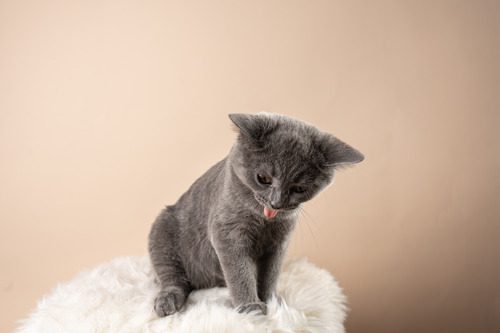
Cats occasionally cough, but if your cat is coughing frequently or seems uncomfortable, it’s important to understand what might be going on. A cat coughing could mean they’re simply trying to clear a hairball or it could indicate something more serious affecting their airways or lungs. Identifying what triggers your cat’s cough can help you recognize when it’s time to contact your veterinarian for an evaluation at Comal Pet Hospital & Resort in New Braunfels, TX.
Why Do Cats Cough?
A cat coughing is a reflex that helps clear irritants, mucus, or foreign material from the respiratory tract. Occasional coughing is normal, but persistent or intense coughing often points to an underlying issue. Because cats are experts at hiding discomfort, a cough is one of the few visible signs something might be wrong.
Common reasons for cat coughing include hairballs, allergies, respiratory infections, asthma, parasites, or exposure to environmental irritants. Understanding these causes and what they look like can help you describe your cat’s symptoms more accurately when you call (830) 625-8074 or book an appointment online.
Hairballs vs. Coughing: How to Tell the Difference
Many pet owners assume every cat coughing episode means a hairball is on the way, but that’s not always the case. While coughing and hairball regurgitation may look similar, they happen for different reasons.
What Happens During a Hairball Episode
When your cat grooms, they swallow loose fur that collects in their stomach. Usually, this fur passes through the digestive tract without issue. But when it clumps together, your cat will attempt to expel it by making hacking or gagging motions. These sessions often end with the production of a tubular wad of fur and some saliva.
Signs of True Coughing
A cat coughing due to airway irritation usually produces a dry, hacking sound, and there’s rarely anything expelled afterward. You might notice your cat crouching low with their neck extended, appearing to strain slightly while inhaling or exhaling. If this happens frequently or without producing hair, it’s time to contact your veterinarian.
Why Is My Cat Coughing?
Several underlying conditions can trigger cat coughing. These range from mild irritations to chronic respiratory problems.
Asthma
Feline asthma is one of the most common reasons for persistent cat coughing. Similar to human asthma, it causes inflammation and narrowing of the airways, making it hard for your cat to breathe. You might hear wheezing, see rapid breathing, or notice your cat becoming lethargic after minor activity.
Allergies
Cats can develop allergies to pollen, dust, smoke, cleaning products, or even certain litters. When exposed, their immune system reacts, leading to coughing or sneezing fits. Reducing airborne irritants and using unscented products can help minimize these episodes.
Respiratory Infections
Viral or bacterial infections can cause a cat coughing episode that lasts several days or weeks. These infections often occur in multi-cat households or shelters and can spread quickly. In addition to coughing, you might see nasal discharge, watery eyes, or a change in appetite.
Parasites
Certain internal parasites, such as lungworms or heartworms, can migrate to the respiratory system and irritate the lungs. While less common in cats than dogs, these parasites can still cause a chronic cough that requires veterinary attention.
Foreign Objects
A small object like a blade of grass or a bit of food can become lodged in a cat’s throat or airway. This irritation often results in repeated coughing, sometimes accompanied by gagging or drooling.
Environmental Factors
Cigarette smoke, scented candles, sprays, and dusty litter can all contribute to cat coughing. Even sudden temperature changes, such as moving from an air-conditioned room to the humid Texas air, can irritate a sensitive respiratory system.
Signs It’s Time to Contact Your Veterinarian
An occasional cat coughing episode might not seem concerning, but frequent or severe coughing warrants a professional evaluation. Because respiratory conditions can worsen quickly, scheduling a visit with Comal Pet Hospital & Resort ensures your cat receives timely care.
Signs Your Cat Should Be Seen Promptly
- Persistent coughing that lasts more than a few days
- Coughing accompanied by wheezing or labored breathing
- Loss of appetite or lethargy
- Bluish gums or tongue (a sign of oxygen deprivation)
- Coughing that causes vomiting or distress
Your veterinarian will likely perform a physical exam and may recommend diagnostic tests such as X-rays or bloodwork to identify the underlying cause. This information helps guide the best course of treatment and management for your cat’s specific needs.
Managing Environmental Triggers
Once your veterinarian determines the cause of your cat coughing, managing their environment can help reduce irritation and improve comfort.
Reduce Airborne Irritants
Use air purifiers to minimize dust, pollen, and dander. Choose unscented cleaners and avoid using aerosols, air fresheners, or perfumed candles near your cat’s favorite resting spots.
Maintain a Clean Living Space
Regularly vacuum carpets, wash bedding, and clean litter boxes to remove allergens. If your cat spends time outdoors, limit exposure on high pollen or smoky days.
Monitor Litter Type
Certain clay or scented litters can produce dust that triggers cat coughing. Opt for low-dust, fragrance-free alternatives to make breathing easier.
Temperature and Humidity Control
Cats with respiratory sensitivities often benefit from stable indoor temperatures and moderate humidity. Using a humidifier can help keep their airways moist and more comfortable.
Can Stress Contribute to Cat Coughing?
Stress doesn’t directly cause cat coughing, but it can weaken the immune system and make your cat more vulnerable to respiratory issues. Cats are creatures of habit, and sudden changes like moving homes, introducing new pets, or loud environments can affect their overall health. You can help reduce stress by:
- Providing consistent routines and quiet spaces
- Offering enrichment through toys, scratching posts, and playtime
- Giving your cat elevated spots or cozy hiding places where they feel secure
If your cat experiences frequent stress-related issues, talk with your veterinarian about ways to make their environment more calming and predictable.
How Your Vet Can Help
Veterinarians play an essential role in identifying the root cause of cat coughing. At Comal Pet Hospital & Resort, our team uses diagnostic tools and experience to pinpoint what’s happening and help your cat feel more comfortable. While many causes of coughing are manageable, they should always be professionally assessed to avoid complications. Your vet may recommend medications, environmental adjustments, or follow-up care depending on the diagnosis.
Helping Your Cat Breathe Easier
When your cat starts coughing, it can be unsettling, but you don’t have to figure it out alone. Whether your cat is struggling with allergies, asthma, or an underlying infection, getting an accurate diagnosis is key to their comfort and health.
If your cat has been coughing more than usual or seems uncomfortable, contact Comal Pet Hospital & Resort in New Braunfels, TX at (830) 625-8074 or book an appointment online. Our team is here to listen, evaluate, and provide the compassionate care your cat deserves.
About Us
Medicine isn’t the only thing that contributes to a happy, healthy pet. At Comal Pet Hospital & Resort, we provide a complete inventory of essential preventive and medical services for dogs and cats, with all-inclusive boarding, dog daycare, and grooming situated right next door.