
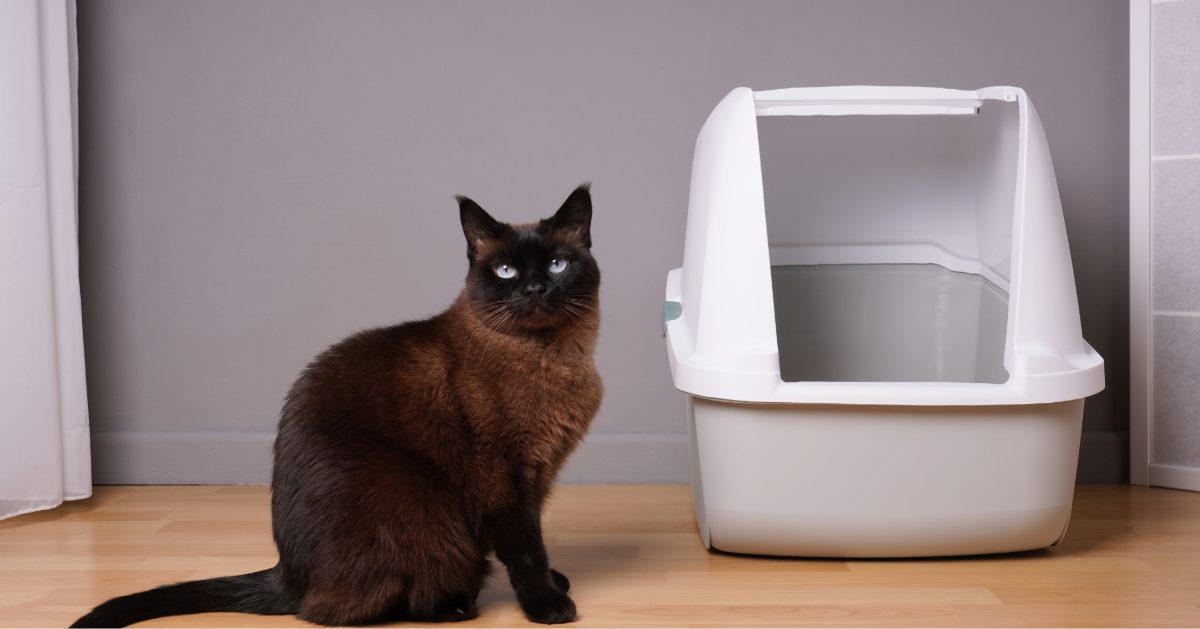
When a cat stops using the litter box, it’s not defiance. It’s communication. A cat pooping or urinating outside the litter box is one of the most common and most misunderstood feline behaviors, and the message behind it is almost always rooted in something specific: a medical problem, an environmental stressor, or an issue with the box itself that your cat finds completely unacceptable.
The good news is that this behavior is rarely random and almost always fixable once you identify the cause. From urinary tract infections to multi-cat household tension to a litter your cat has quietly despised for months, our team at Comal Pet Hospital & Resort in New Braunfels, TX walks you through everything you need to know. So read on, because the answer to your out-of-box mystery is probably closer than you think.
Why Do Cats Stop Using the Litter Box?
A cat pooping or urinating outside the litter box is called inappropriate elimination, and it’s one of the top reasons cats are surrendered to shelters. Understanding that this behavior has a cause and that cause can usually be identified and addressed is critical for keeping your cat in your home and in good health.
The reasons cats eliminate outside the litter box generally fall into two broad categories: medical problems and behavioral or environmental issues. A veterinary exam is always the recommended first step when this problem appears, because medical causes need to be ruled out before behavioral modifications will be effective.
Medical Reasons Your Cat Is Pooping or Peeing Outside the Litter Box
If your cat has suddenly started going outside the litter box after years of perfect habits, a medical problem is a strong possibility. Several health conditions can cause cats to associate the litter box with pain or discomfort, leading them to seek out other locations.
Urinary Tract Infections and Feline Lower Urinary Tract Disease (FLUTD)
Urinary issues are among the most common medical causes of cats eliminating outside the litter box. Cats with urinary tract infections, bladder inflammation, or FLUTD may experience pain, urgency, and difficulty urinating. They often begin going on cool surfaces like tile or bathmats, or in random locations around the house. If your cat is straining to urinate, crying in the litter box, or producing only small amounts of urine, this is a medical emergency. A complete urinary blockage is life-threatening and requires immediate veterinary attention.
Constipation and Bowel Disease
A cat that is straining, in pain, or has loose stools due to constipation, inflammatory bowel disease, or other GI conditions may begin pooping outside the litter box. The discomfort they associate with the litter box during a painful bowel movement can cause them to avoid it, even after the underlying issue is resolved.
Arthritis and Mobility Problems
Senior cats with arthritis or joint pain may find it difficult or painful to climb in and out of a standard litter box, particularly one with high sides. If your older cat has started going outside the litter box, don’t assume it’s a behavioral issue. Mobility limitations are a common and often overlooked cause in cats over 10 years of age.
Cognitive Dysfunction in Older Cats
Feline cognitive dysfunction syndrome, which is the cat equivalent of dementia, can cause older cats to become disoriented and forget where the litter box is, or lose awareness of when they need to go. If your senior cat seems confused, is vocalizing more than usual, or has changed their sleep-wake patterns alongside litter box issues, cognitive dysfunction may be a factor.
Environmental and Behavioral Reasons for Litter Box Avoidance
Once medical causes have been ruled out by your veterinarian, the focus shifts to the litter box environment and your cat’s behavioral triggers.
Litter Box Location, Number, or Cleanliness
Cats are famously clean animals, and a dirty litter box is one of the most common reasons a cat poops or pees outside of it. The general rule is one litter box per cat, plus one extra, so a two-cat household should have three boxes. Boxes should be scooped daily and fully cleaned regularly. Location matters too: cats prefer a quiet, private area that is not near their food and water dishes.
Litter Preferences and Aversions
Cats can develop strong preferences for certain litter types, and a sudden change in litter brand, texture, or scent can trigger avoidance. If you recently changed your cat’s litter and they started pooping outside the litter box, returning to the previous litter while making a gradual transition may help.
Stress and Household Changes
Cats are highly sensitive to change, and stressors like a new pet, a new baby, moving, construction noise, or even a change in your work schedule can trigger inappropriate elimination. This type of litter box avoidance is often tied to anxiety and may require environmental enrichment, pheromone diffusers, and sometimes anti-anxiety support from your veterinarian.
Multi-Cat Household Conflict
In homes with multiple cats, territorial conflict or bullying can prevent a lower-ranking cat from accessing the litter box. Watch for one cat guarding the litter box, ambushing another cat leaving the box, or signs of tension between your cats at feeding time or rest areas. Adding more litter boxes in separate locations can significantly reduce this type of conflict.
What to Do When Your Cat Starts Going Outside the Litter Box
Here’s a practical starting point when your cat stops using the litter box:
- Schedule a veterinary exam at Comal Pet Hospital & Resort to rule out medical causes. This should always be the first step
- Assess litter box cleanliness, number, location, and litter type for any recent changes
- Look for household stressors that may have coincided with the onset of the behavior
- Clean soiled areas outside the box thoroughly with an enzymatic cleaner to eliminate odor that can attract your cat back to the same spot
- Avoid punishing your cat as this increases stress and worsens the problem without addressing the cause
How Comal Pet Hospital & Resort Can Help
Our veterinary team at Comal Pet Hospital & Resort takes litter box problems seriously because we know how much they can impact the relationship between cats and their owners. A comprehensive physical exam, along with urinalysis and other appropriate diagnostics, allows us to identify or rule out medical causes. If the cause is behavioral, we can help guide you through environmental modifications and, when appropriate, discuss anxiety management strategies.
Our goal is to help you and your cat find a resolution that works for everyone in the household. A cat pooping outside the litter box doesn’t have to be the end of the road. It’s usually the beginning of getting your cat the help they need.
Litter Box Issues Are Solvable: Here’s Where to Start
Cats don’t abandon the litter box without reason. Whether the cause is a painful UTI, arthritis, stress, or a dirty box in a bad location, every out-of-box mystery has an explanation. With the right veterinary support and a few targeted changes at home, most cats can be successfully guided back to appropriate litter box use. If your cat has stopped using the litter box, call Comal Pet Hospital & Resort in New Braunfels, TX at (830) 625-8074 or book an appointment online today. We’re here to help you decode the mystery and get life back on track for you and your feline family member.
About Us
Medicine isn’t the only thing that contributes to a happy, healthy pet. At Comal Pet Hospital & Resort, we provide a complete inventory of essential preventive and medical services for dogs and cats, with all-inclusive boarding, dog daycare, and grooming situated right next door.