
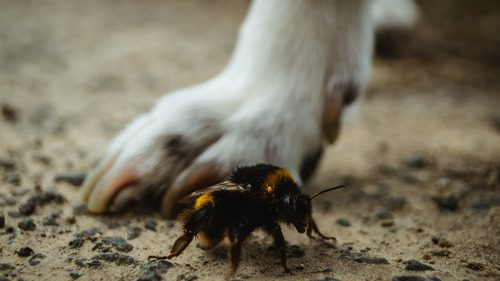
Dogs are curious by nature, and a buzzing insect often becomes a target of interest. While most bee stings result in mild, temporary discomfort, some can cause more serious reactions. If your dog was stung by a bee, the first step is to remain calm and observe their behavior. Many dogs only experience minor swelling or tenderness, but others may develop signs of an allergic reaction.
At Comal Pet Hospital & Resort in New Braunfels, TX, our team is equipped to help if your dog is stung by a bee. Whether your pet experiences mild irritation or a more severe reaction, we provide the care they need to recover safely. Call (830) 625-8074 or book an appointment online to have your pet evaluated by our compassionate team.
Why Dogs Get Stung by Bees
Dogs encounter bees more often than you might think. Because they explore with their noses and mouths, they’re naturally drawn to the movement and buzzing sounds of insects. Unfortunately, this curiosity can lead to an unwelcome sting on the face, paws, or even inside the mouth.
Bees sting defensively, not aggressively. When a bee feels threatened, perhaps when your dog sniffs too close to a flower or chases one buzzing around, it may sting to protect itself. After stinging, a bee leaves behind its stinger, which continues to release venom into the skin for several minutes if not removed.
The most common areas for bee stings on dogs include:
- The nose and muzzle
- The lips and tongue
- The paws (especially if your dog steps on a bee)
- The inside of the mouth (if your dog tries to bite a bee)
Dogs that spend time outdoors, particularly in grassy yards, gardens, or parks, are more likely to encounter bees.
What Happens When a Dog Is Stung by a Bee
When a dog is stung by a bee, their body reacts to the bee’s venom. The reaction can range from mild to severe depending on their sensitivity. Mild reactions usually involve:
- Localized pain or tenderness
- Mild redness or swelling
- Licking or chewing at the sting site
Moderate to severe reactions may include:
- Hives or welts
- Facial or throat swelling
- Vomiting or diarrhea
- Difficulty breathing
- Weakness or collapse
If your dog was stung by a bee and is showing any signs of distress, contact your veterinarian at Comal Pet Hospital & Resort right away. Even if symptoms seem mild at first, allergic reactions can progress quickly.
Recognizing Allergic Reactions in Dogs
An allergic reaction occurs when your dog’s immune system overreacts to the bee venom. Dogs that have been stung before may be at higher risk of developing an allergy, as their body has already been exposed to the allergen. Common signs of an allergic reaction include:
- Swelling of the face, eyes, or muzzle
- Hives (raised, itchy bumps under the skin)
- Difficulty breathing or noisy breathing
- Pale gums or drooling
- Sudden vomiting or diarrhea
- Lethargy or collapse
Because allergic reactions can develop quickly, it’s best not to wait and see if they worsen. If you notice any of these symptoms, seek veterinary care immediately.
How Veterinarians Treat Bee Stings in Dogs
When a dog is stung by a bee and brought to Comal Pet Hospital & Resort, treatment depends on the severity of the reaction and where the sting occurred. In mild cases, your veterinarian may focus on:
- Removing the stinger to stop the release of venom
- Cleaning the area to prevent infection
- Monitoring for any delayed allergic response
In more serious cases, your veterinarian may provide:
- Medications to reduce swelling and inflammation
- Supportive care to manage pain and discomfort
- Monitoring for potential airway swelling or breathing issues
If your dog was stung by a bee inside their mouth or throat, your veterinarian may recommend additional observation, as internal swelling could affect breathing.
Why You Shouldn’t Attempt Home Remedies
It may be tempting to look up quick fixes or home remedies when your dog is stung by a bee, but not all are safe. Some substances can irritate the skin or worsen inflammation. Additionally, without knowing whether your dog is allergic, applying the wrong treatment could delay needed veterinary care. Instead of attempting home care, focus on monitoring your dog’s comfort and behavior while contacting your veterinarian at Comal Pet Hospital & Resort. They can guide you on the next appropriate step and determine if an appointment is needed.
What You Can Do to Help Prevent Bee Stings in Dogs
While it’s impossible to eliminate all risks, you can reduce the chances of your dog being stung by a bee by taking a few simple precautions:
- Avoid known bee hotspots. Bees are most active near flowers, gardens, and clover patches, especially during warm afternoons.
- Keep your dog supervised outdoors. This helps you redirect them if they become too curious about buzzing insects.
- Check your yard. Look for beehives or ground nests and contact a pest control service if you find any.
- Teach “leave it.” Training your dog to respond to this command can help prevent them from chasing or snapping at bees.
- Be extra cautious in spring and summer. Bees are most active during these seasons in Texas.
Dogs with a history of allergic reactions should be watched closely during outdoor play. Talk to your veterinarian about strategies to protect them and what to do in case of another sting.
Outdoor Safety Tips in New Braunfels
The warm climate in New Braunfels, TX, means bees and other stinging insects are active for much of the year. Whether you and your dog are exploring Landa Park, hiking Panther Canyon Trail, or relaxing in your backyard, staying aware of your surroundings can help prevent encounters. Try to:
- Avoid flowering areas during peak blooming seasons.
- Keep your dog from drinking from open containers or fountains where bees might gather.
- Carry your veterinarian’s contact information in case of emergencies.
If your dog is stung by a bee while outdoors, staying calm and acting quickly helps reduce stress for both of you.
Signs That You Should Go to Your Vet
If your dog was stung by a bee, it’s always best to contact your veterinarian to describe the situation. They can advise whether your pet should be seen right away or if you can monitor them at home. Call your vet immediately if you notice:
- Rapid swelling around the face or neck
- Difficulty breathing
- Hives or welts across the body
- Excessive drooling, vomiting, or diarrhea
- Signs of distress such as restlessness or collapse
At Comal Pet Hospital & Resort, we understand that seeing your dog stung by a bee can be stressful. Our team is equipped to assess and treat allergic reactions, relieve pain, and help your dog feel comfortable again.
Helping Your Dog Recover Comfortably
After a bee sting, your dog may feel sore or sensitive for a day or two. Keeping them calm, limiting activity, and following your veterinarian’s instructions can support a smoother recovery. Avoid touching or scratching the affected area, and keep an eye out for any changes in swelling or behavior. Your dog being stung by a bee may be a common outdoor mishap, but with proper awareness and prompt veterinary attention, it doesn’t have to lead to complications.
If your dog is stung by a bee in New Braunfels, TX, or you have questions about their symptoms, call Comal Pet Hospital & Resort at (830) 625-8074 or book an appointment online. Our caring veterinary team is always ready to help your pet feel safe, comfortable, and well again.
About Us
Medicine isn’t the only thing that contributes to a happy, healthy pet. At Comal Pet Hospital & Resort, we provide a complete inventory of essential preventive and medical services for dogs and cats, with all-inclusive boarding, dog daycare, and grooming situated right next door.