
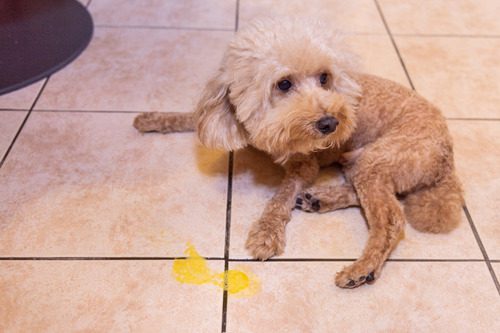
When you see your dog vomiting yellow fluid, it’s natural to feel alarmed. That yellow color is usually bile, a digestive fluid produced in the liver that helps break down fats. When a dog throws up bile, it often means their stomach is empty, and bile is irritating the stomach lining. While an occasional episode may not signal a need for emergency vet care, frequent or severe bile vomiting can point to an underlying problem that needs veterinary attention.
At Comal Pet Hospital & Resort in New Braunfels, TX, we help pet owners understand what’s normal and what’s not when it comes to a dog vomiting yellow. Let’s explore the most common reasons this happens and what to do next. If your pet has been vomiting or acting unwell, call us at (830) 625-8074 or book an appointment online.
What Does It Mean When a Dog Is Vomiting Yellow?
Dog vomiting yellow typically means that bile is being expelled from the stomach or small intestine. Bile itself is a greenish-yellow fluid that aids digestion, but when the stomach is empty, it can irritate the stomach lining and trigger vomiting. This can happen for various reasons, some minor while others more serious.
If your dog vomits yellow once but seems normal afterward, it might not be an urgent issue. However, if the vomiting continues, occurs frequently, or is accompanied by other symptoms like loss of appetite, lethargy, or diarrhea, it’s important to call your veterinarian for an exam.
Why Is My Dog Throwing Up Yellow?
There are several possible causes for dog vomiting yellow, ranging from simple dietary factors to health conditions that require medical care.
Empty Stomach or Hunger
One of the most common reasons a dog vomits yellow bile is an empty stomach. When a dog goes too long without eating, bile can build up and irritate the stomach lining, leading to vomiting. This is sometimes called “hunger pukes.” Dogs that are fed once a day or have irregular feeding schedules may experience this more often.
Dietary Indiscretion
Dogs are curious and may eat things they shouldn’t, such as grass, garbage, or leftover food scraps. These items can upset the digestive system and cause bile vomiting. If your dog frequently vomits after scavenging, it’s a good idea to keep an eye on their environment and discourage this behavior.
Food Sensitivities or Sudden Diet Changes
Switching your dog’s food too quickly or feeding them something new may cause gastrointestinal upset. Some dogs are sensitive to specific ingredients, which can lead to recurring bile vomiting. Transitioning to new food gradually can help prevent this problem.
Bilious Vomiting Syndrome
This condition occurs when bile leaks into the stomach from the small intestine during long periods without food. It’s more common in dogs fed only once daily or who have early-morning vomiting. Veterinarians may recommend adjusting feeding schedules or exploring other causes during an exam.
Gastrointestinal Issues
Problems such as gastritis, inflammation, or intestinal blockage can also cause dogs to vomit yellow. If your dog vomits repeatedly, appears uncomfortable, or refuses food, professional care is necessary to determine the cause.
Pancreas or Liver Concerns
In some cases, yellow vomit can be associated with conditions affecting the pancreas or liver. While these are less common, they’re more serious and require a proper diagnosis and treatment plan from your veterinarian.
When to Call Your New Braunfels Veterinarian
It can be hard to tell when vomiting is mild or something more concerning. While a single episode may not be cause for panic, persistent dog vomiting yellow should never be ignored. Call your veterinarian if your dog:
- Vomits multiple times within 24 hours
- Refuses to eat or drink
- Acts lethargic or weak
- Has diarrhea, especially if it’s bloody
- Shows signs of abdominal discomfort
- Vomits yellow bile frequently in the morning
Your veterinarian will ask about your dog’s diet, frequency of vomiting, and other symptoms to help determine what’s happening. They may recommend bloodwork, X-rays, or other diagnostics to rule out underlying health conditions.
What to Expect During Your Visit
When you bring your dog to Comal Pet Hospital & Resort for dog vomiting yellow, our team will perform a thorough physical exam and ask questions about their recent eating habits, appetite, and activity level. Depending on the situation, we may:
- Check for dehydration and electrolyte imbalances
- Run diagnostic tests such as bloodwork or imaging
- Evaluate for possible foreign objects in the stomach or intestines
- Discuss your dog’s diet and feeding schedule
This process helps us identify whether the vomiting is due to something simple like an empty stomach, or something more serious that needs medical care.
Preventing Future Episodes of Dog Vomiting Yellow
Once your veterinarian has determined the cause of dog vomiting yellow, they’ll work with you on a plan to reduce or prevent it from happening again.
Feed Smaller, More Frequent Meals
Feeding your dog smaller portions more often can help prevent bile buildup and stomach irritation. This is especially helpful for dogs that vomit early in the morning or late at night.
Maintain a Consistent Feeding Routine
Dogs thrive on routine. Keeping regular feeding times helps regulate digestion and prevent episodes of bile vomiting. Avoid long fasting periods, especially overnight.
Monitor What Your Dog Eats
Keep an eye on your dog’s environment, especially outdoors. Avoid letting them eat grass, garbage, or other non-food items that could irritate their stomach.
Gradually Transition Diets
When switching foods, make changes slowly by mixing in small amounts of the new food over several days. Sudden diet changes can upset the digestive system and trigger bile vomiting.
Keep Up with Regular Veterinary Visits
Routine checkups at Comal Pet Hospital & Resort help detect digestive or metabolic issues early. Our team can also help you fine-tune your dog’s diet and feeding plan to support healthy digestion.
Supporting Your Dog’s Digestive Health
A healthy digestive system keeps your dog comfortable and active. To support their overall wellness:
- Provide balanced, high-quality nutrition
- Encourage adequate hydration throughout the day
- Avoid giving table scraps or high-fat treats
- Schedule yearly wellness exams for preventive care
Even if your dog seems fine after vomiting yellow once, it’s always best to mention it during their next veterinary visit. Frequent bile vomiting should always be evaluated to prevent discomfort or complications.
Compassionate Care for Every Dog at Comal Pet Hospital & Resort
At Comal Pet Hospital & Resort, we understand how concerning it is to see your dog vomiting yellow, especially when you don’t know why it’s happening. Our compassionate team is dedicated to finding answers and helping your pet feel better as quickly as possible. We provide thorough exams, advanced diagnostics, and supportive care tailored to your dog’s needs. If your dog has been vomiting yellow or showing other digestive issues, call us at (830) 625-8074 or book an appointment online. Together, we’ll get your dog’s stomach back on track and help them feel their best again.
About Us
Medicine isn’t the only thing that contributes to a happy, healthy pet. At Comal Pet Hospital & Resort, we provide a complete inventory of essential preventive and medical services for dogs and cats, with all-inclusive boarding, dog daycare, and grooming situated right next door.