
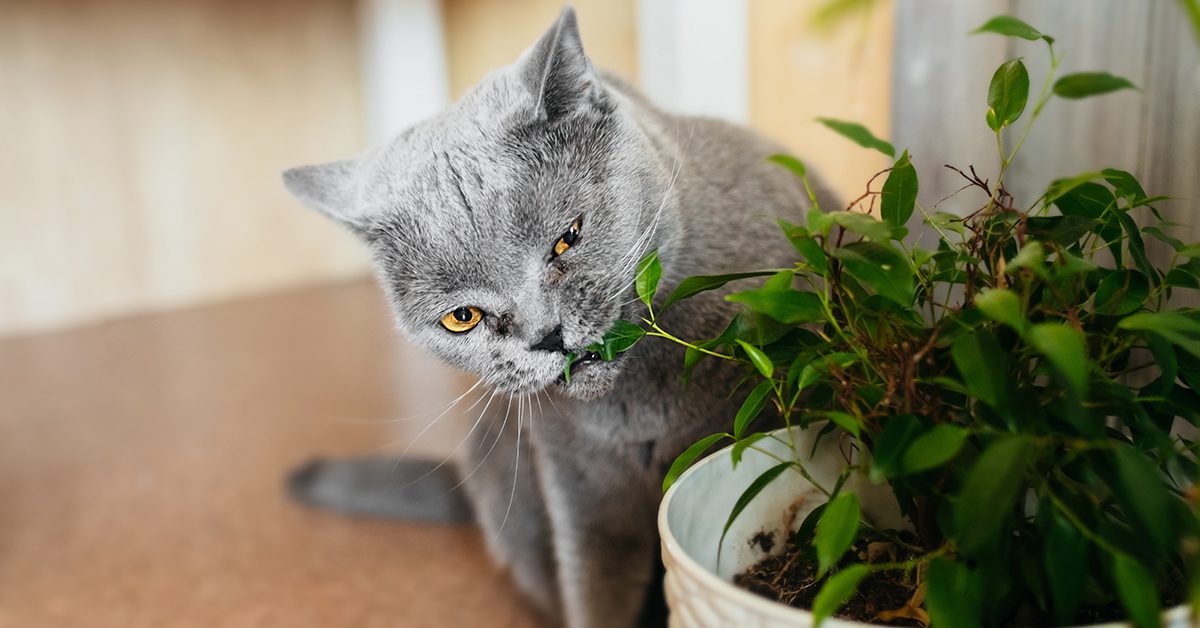
The best non toxic plants for cats include spider plants, Boston ferns, areca palms, prayer plants, African violets, haworthia, snapdragons, and sunflowers. The ASPCA lists each of these as safe for cats, so you can decorate your home and yard without panicking every time your cat takes a curious bite. Cats explore the world with their mouths, and a single nibble on the wrong leaf can lead to a stressful trip to the vet. Here in New Braunfels, where warm weather lets many of us grow greenery indoors and out for most of the year, choosing cat-safe plants matters even more. The team at Comal Pet Hospital & Resort put together this guide to help Hill Country pet owners pick plants that look beautiful and pose minimal risk. Below, you’ll learn why plant choice matters and get a closer look at eight non toxic plants for cats that thrive in Central Texas homes and gardens.
Why Does Choosing Non Toxic Plants for Cats Matter?
Picking the right greenery protects your cat’s health and gives you peace of mind every time you bring a new plant home.
Curious Cats and Leafy Temptations
Cats chew on plants for many reasons. Some enjoy the texture of long, swaying leaves, while others nibble out of boredom or simple curiosity. Indoor cats in particular may treat a potted plant as entertainment. Because you can’t supervise your cat around the clock, the safest approach is to fill your space with non toxic plants for cats from the start. That way, an occasional taste is far less likely to turn into an emergency.
Common Toxic Plants Found in Central Texas
Several popular plants in New Braunfels homes and landscapes can cause serious harm to cats, including:
- Lilies (true lilies and daylilies), which can lead to kidney failure from even small exposures, including pollen
- Sago palms, a common Texas landscaping plant that can damage the liver
- Oleander, a hardy flowering shrub that affects the heart
- Pothos and philodendron, which irritate the mouth and throat
- Aloe vera, which can upset the digestive system
If you suspect your cat ate any of these, call your veterinarian or an animal poison control line right away.
What “Non-Toxic” Really Means
A plant labeled non-toxic won’t poison your cat, but that doesn’t make it a snack. Eating large amounts of any plant material can still cause mild stomach upset. Fertilizers, pesticides, and decorative potting materials can also pose risks on their own. Before you buy, run through a few quick checks:
- Confirm the scientific name, since common names often overlap with toxic look-alikes
- Search the plant in the ASPCA’s toxic and non-toxic plant database
- Ask the nursery whether the plant was treated with systemic pesticides
- Choose heavy, stable pots that won’t tip over when your cat investigates
Spider Plant
The spider plant (Chlorophytum comosum) ranks among the most popular non toxic plants for cats, and it’s easy to see why.
Its arching, striped leaves and dangling “babies” make it a natural fit for hanging baskets, bookshelves, and bright kitchen windows. Spider plants tolerate a wide range of light conditions and bounce back quickly if you forget to water them for a week. That forgiving nature makes them a great choice for busy households and first-time plant owners.
One heads-up: many cats find spider plants irresistible. The long, grassy leaves seem to invite batting and chewing. While the plant is safe, a cat that grazes heavily may end up with a mildly upset stomach. Hanging the plant out of easy reach lets you enjoy the greenery while giving your cat fewer chances to overindulge.
Boston Fern
Lush and feathery, the Boston fern (Nephrolepis exaltata) adds a soft, classic look to porches and living rooms.
Boston ferns are a staple on lists of non toxic plants for cats, and the ASPCA also considers them safe for dogs and horses. Be careful, though, because a few plants with “fern” in the name, such as the asparagus fern, are toxic. Always double-check the label before you buy.
These ferns love humidity, which makes them a smart pick for bathrooms or shaded patios during New Braunfels summers. They prefer indirect light and consistently moist soil. On a covered porch, a Boston fern can thrive from spring through fall and then move indoors when temperatures drop. Their fluffy fronds may tempt a playful cat, so a plant stand or hanger can help protect both the fern and your furniture.
Areca Palm
If you want a tropical statement piece, the areca palm (Dypsis lutescens) delivers height and texture without putting your cat at risk.
Also called the butterfly palm or golden cane palm, this plant can grow several feet tall indoors, making it one of the best large non toxic plants for cats. It fills empty corners and entryways beautifully and brings a resort-style feel to any room.
How to Tell an Areca Palm From a Sago Palm
The areca palm deserves extra attention because the sago palm, which looks somewhat similar at a glance, is one of the most dangerous plants for pets. Sago palms are common in Texas yards, so knowing the difference matters. Areca palms have thin, flexible fronds and clustered cane-like stems, while sago palms have stiff, glossy, comb-like leaves growing from a thick, rough trunk. Areca palms prefer bright, indirect light and moderate watering. Other cat-safe palms include the parlor palm and ponytail palm.
Prayer Plant
The prayer plant (Maranta leuconeura) earns its name from a charming daily habit: its leaves fold upward at night like hands in prayer.
Watching the leaves rise and fall gives this plant a lively personality that many owners love. The patterned foliage, often marked with red veins and deep green blotches, adds color to tabletops and shelves. Prayer plants belong to the same family as calatheas, many of which are also considered safe for cats. That makes this group a go-to for pet owners who want bold leaf patterns.
These plants prefer medium, indirect light and slightly moist soil. Direct Texas sun can scorch their leaves, so place them away from west-facing windows. Low-growing and compact, prayer plants fit nicely on desks or nightstands, though you may want to choose a spot where your cat isn’t likely to lounge.
African Violet
Flowering plants can be tricky for cat owners, but the African violet (Saintpaulia) offers repeat blooms with no known toxicity to cats.
These compact plants produce clusters of purple, pink, blue, or white flowers above fuzzy, rounded leaves. They’re small enough for windowsills and side tables, which makes them a nice swap for riskier flowering houseplants. As one of the few blooming non toxic plants for cats that thrives indoors, the African violet fills an important gap.
This matters because some of the most popular gift flowers, especially lilies, are extremely dangerous for cats. If friends or family like to send flowers, an African violet makes an excellent cat-friendly alternative to suggest. African violets do best in bright, indirect light and prefer water at the soil line instead of on their leaves. With steady care, they can bloom several times a year, adding cheerful color without adding worry.
Haworthia
Succulent fans searching for non toxic plants for cats often land on haworthia, a small, spiky plant that resembles aloe without its risks.
Haworthia, sometimes called zebra plant thanks to the white stripes on many varieties, stays compact and usually reaches just a few inches tall. Its low-maintenance nature suits Texas homes, where dry indoor air and bright windows create ideal conditions for succulents.
The resemblance to aloe vera is worth noting. Aloe can upset a cat’s digestive system, so many owners choose haworthia when they want that same desert look. Other cat-safe succulents include echeveria, burro’s tail, and Christmas cactus. Haworthia needs well-draining soil and infrequent watering, since too much water causes root rot more often than too little. A small terracotta pot on a sunny sill gives this plant everything it needs.
Snapdragon
Non toxic plants for cats aren’t limited to indoor spaces, and snapdragons (Antirrhinum majus) bring tall spikes of color to garden beds and containers.
These cool-season flowers bloom in shades of red, yellow, pink, orange, and white. In the New Braunfels area, snapdragons often perform best when planted in fall, since they handle mild Hill Country winters well and bloom through spring before summer heat arrives. That timing makes autumn a great moment to add them to your yard.
Snapdragons work well in borders, raised beds, and patio pots. Their sturdy stems hold up to curious paws, and the flowers attract pollinators like bees and butterflies. If your cat spends time in an enclosed patio or “catio,” snapdragons provide a colorful, low-risk backdrop. As with any garden plant, skip chemical treatments in areas your cat can reach.
Sunflower
Few plants say “Texas summer” quite like the sunflower (Helianthus annuus), and these cheerful giants are safe for cats.
Sunflowers love full sun and heat, so they thrive in Central Texas gardens from late spring through summer. Dwarf varieties work well in containers, while taller types make a striking backdrop along fences. Their seeds also draw birds, which many indoor cats enjoy watching from a window perch.
While the plant itself is harmless, a few garden habits help create a more cat-friendly yard overall:
- Use pine straw or shredded wood mulch instead of cocoa mulch, which can be harmful to pets
- Store fertilizers, snail bait, and weed killers in closed cabinets or sheds
- Plant a patch of cat grass, such as oat or wheatgrass, to give your cat a dedicated spot to nibble
- Check your yard for volunteer lilies or oleander that may have spread from neighboring properties
Have Questions About Cat-Safe Plants? Comal Pet Hospital & Resort Can Help
Filling your home and garden with non toxic plants for cats is one of the simplest ways to create a safer space for your feline family member. Even so, accidents happen, and cats don’t always stick to the approved menu. If your cat chews on an unfamiliar plant or shows unusual signs such as vomiting, drooling, lethargy, or loss of appetite, reach out to a veterinarian right away. The team at Comal Pet Hospital & Resort is happy to answer questions about plant safety, household toxins, and creating a pet-friendly home in New Braunfels. We can also help you spot potential hazards during your cat’s wellness visit. To schedule an appointment or talk with our staff, call today. With a little planning, you and your cat can both enjoy a greener, healthier space.
About Us
Medicine isn’t the only thing that contributes to a happy, healthy pet. At Comal Pet Hospital & Resort, we provide a complete inventory of essential preventive and medical services for dogs and cats, with all-inclusive boarding, dog daycare, and grooming situated right next door.