
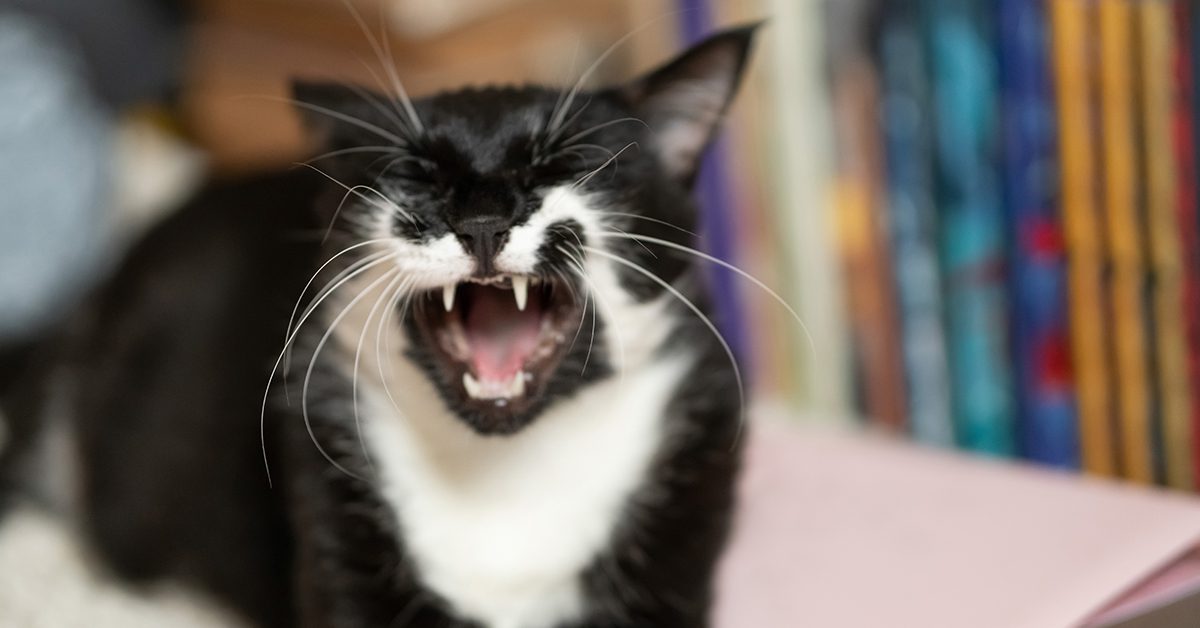
Occasional cat sneezing is usually harmless and often caused by dust, a strong scent, or a tickle in the nose. However, frequent sneezing, or sneezing paired with nasal discharge, watery eyes, or a poor appetite, often points to an upper respiratory infection or another condition that needs a veterinarian’s attention. Hearing your cat let out a tiny “achoo” can be adorable, but it’s natural to wonder when that sneeze means something more. Cats are masters at hiding illness, so small changes like more frequent sneezing can offer an important early clue. At Comal Pet Hospital & Resort in New Braunfels, our team helps cat owners sort out what’s normal and what isn’t. In this guide, we’ll walk through common causes of cat sneezing, the symptoms that deserve a closer look, how veterinarians find the source, and what treatment may involve.
Why Do Cats Sneeze?
Just like people, cats sneeze to clear irritants out of their nasal passages.
Sneezing as a Natural Reflex
A sneeze is the body’s way of forcefully pushing out anything that bothers the sensitive lining of the nose. A single sneeze after your cat sniffs a dusty corner or rolls in a sunbeam full of floating particles is completely normal. Cats rely heavily on their sense of smell, and they spend a lot of time investigating the world nose-first, so the occasional sneeze is part of daily life.
Common Household Irritants
Many everyday products can trigger cat sneezing, especially in sensitive or indoor-only cats. Frequent culprits include:
- Dusty or heavily scented cat litter
- Perfumes, air fresheners, and scented candles
- Cigarette smoke and fireplace smoke
- Cleaning sprays and carpet powders
- Pollen and mold, which can drift indoors during Central Texas allergy seasons
If you notice your cat sneezing mainly after cleaning day or a litter change, an irritant may be to blame. Mention the pattern to your veterinarian, who can help you sort out likely triggers.
Why Does My Cat Keep Sneezing? Is It Serious?
When sneezing happens often or doesn’t let up after a day or two, an underlying health issue is more likely.
Upper Respiratory Infections
Upper respiratory infections (URIs) are the most common medical cause of ongoing cat sneezing. Feline herpesvirus and feline calicivirus cause the vast majority of these infections. They spread easily between cats, which is why URIs are especially common in kittens, shelter cats, and multi-cat households. Bacteria such as Bordetella, Chlamydia, and Mycoplasma can also play a role, either on their own or as secondary infections. Cats infected with herpesvirus often carry it for life, and flare-ups may return during times of stress, such as a move, boarding, or a new pet in the home.
Other Possible Causes
Persistent sneezing can also stem from less obvious problems. A blade of grass or other foreign object lodged in the nasal passage may cause sudden, violent sneezing. Dental disease can play a role too, since infected upper tooth roots sit close to the nasal cavity. Young cats sometimes develop nasopharyngeal polyps, which are noncancerous growths in the throat or nasal area. In older cats, nasal tumors are a less common but serious possibility. Fungal infections, such as cryptococcosis, can also cause chronic nasal symptoms.
So, Is It Serious?
Many cases of cat sneezing are mild and resolve with time or simple veterinary care. Still, some causes can lead to lasting damage to the nasal passages or affect your cat’s overall health. Because the reasons vary so widely, a professional exam is the best way to know for sure. Keeping a simple log of when the sneezing happens, how often, and what else you notice can make that visit even more productive. Patterns in cat sneezing, such as flare-ups after boarding or seasonal spikes, often help your veterinarian narrow down the cause faster.
When to See a Vet for Your Cat’s Sneezing
A sneeze here and there rarely needs a vet visit, but certain symptoms mean you shouldn’t wait.
Warning Signs to Watch
Schedule an appointment if cat sneezing shows up alongside any of the following:
- Sneezing that continues for more than a few days or keeps coming back
- Yellow, green, or bloody nasal discharge
- Watery, red, or crusty eyes, or squinting
- Reduced appetite or refusal to eat
- Lethargy, hiding, or less interest in play
- Drooling or sores in the mouth
- Swelling on the face or bridge of the nose
Why Appetite Matters So Much
Cats depend on smell to stimulate their appetite. When congestion blocks the nose, many cats stop eating because food no longer smells appealing. Going without food for even a couple of days can be dangerous for cats, so a sneezing cat that skips meals needs prompt attention.
When It’s an Emergency
Open-mouth breathing, labored breathing, or blue-tinged gums require immediate care. Kittens, senior cats, and cats with chronic health conditions can decline faster, so contact your vet sooner rather than later if they show respiratory symptoms.
How Do Vets Determine the Cause of Cat Sneezing?
Finding the reason behind cat sneezing starts with a thorough history and exam, followed by testing when needed.
The Physical Exam and History
Your veterinarian will ask how long the sneezing has lasted, whether other pets are sick, and if anything in your home has changed recently. Details about your cat’s vaccine history, outdoor access, and appetite all help narrow the list of possibilities. The exam includes checking the eyes, nose, mouth, teeth, lymph nodes, and lungs. Taking a short video of your cat sneezing at home can be surprisingly helpful during this visit.
Diagnostic Tests
If the cause isn’t clear, your vet may recommend further testing, such as:
- Swabs or PCR tests to identify viral or bacterial infections
- Bloodwork, including screening for feline leukemia virus and FIV
- Dental X-rays to check for tooth root problems
- Skull X-rays or CT scans to view the nasal passages and sinuses
- Rhinoscopy, which uses a small camera to look inside the nose
- Biopsy or culture of nasal tissue when polyps, tumors, or fungus are suspected
Not every cat needs every test. Your veterinarian will tailor the plan to your cat’s symptoms and history.
How to Treat a Sneezing Cat
Treatment depends entirely on the cause, which is why an accurate diagnosis comes first.
Treating Infections
Viral URIs often run their course in one to three weeks, and veterinary care focuses on supporting your cat while its immune system does the work. Your veterinarian may prescribe antibiotics if a bacterial infection is present or likely, along with eye medications or antivirals for more severe herpes cases. Cats that stop eating or become dehydrated may need fluids or appetite support. Never give your cat human cold medicines or leftover prescriptions, as many are toxic to cats.
Addressing Other Causes
When cat sneezing stems from something other than infection, treatment targets that specific problem. Your vet may remove a foreign object from the nasal passage, treat dental disease, or surgically remove a polyp. Fungal infections typically require longer courses of medication, and nasal tumors may call for referral to a specialist. For cats that react to household irritants, your veterinarian can help you identify triggers in the home.
Prevention Helps Too
Keeping your cat current on core vaccines, including the FVRCP vaccine, reduces the severity of common respiratory viruses. Lowering stress and scheduling regular wellness exams can also help cats with chronic herpes stay healthier.
Help for Your Sneezing Cat at Comal Pet Hospital & Resort
Cat sneezing can range from a harmless reaction to dust to a sign of infection, dental disease, or another condition that needs care. Paying attention to how often your cat sneezes, what other symptoms appear, and whether your cat is still eating gives your veterinarian valuable information. When sneezing lingers or comes with discharge, eye problems, or appetite changes, it’s time for an exam. The team at Comal Pet Hospital & Resort provides thorough evaluations and individualized treatment plans for cats throughout New Braunfels. We’ll help find the cause and get your cat breathing comfortably again. To schedule a visit, call today.
About Us
Medicine isn’t the only thing that contributes to a happy, healthy pet. At Comal Pet Hospital & Resort, we provide a complete inventory of essential preventive and medical services for dogs and cats, with all-inclusive boarding, dog daycare, and grooming situated right next door.