
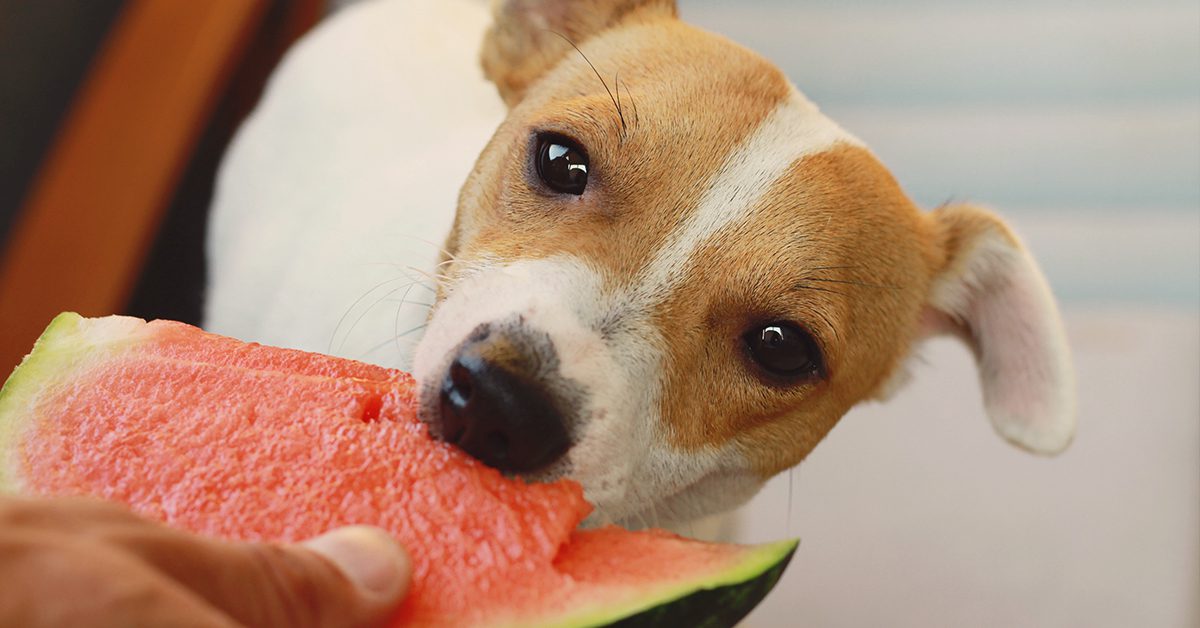
Yes, dogs can eat melon in moderation, as long as you remove the rind and seeds and serve it plain. Cantaloupe, honeydew, and watermelon are all safe for most healthy dogs and can make a refreshing, low-calorie treat. If you’ve ever sliced into a juicy cantaloupe and found your pup staring up at you, you’re not alone. Many pet owners ask “can dogs eat melon?” because they want to share healthy snacks without risking an upset stomach. Here in New Braunfels, where hot Texas afternoons stretch well into fall, a cool bite of fruit can be especially tempting for both you and your dog. The team at Comal Pet Hospital & Resort created this guide to help you understand which melons are safe, what nutrients they offer, and how to share them responsibly. Read on to learn what every dog owner should know before tossing a slice of melon to a four-legged friend.
Can Dogs Eat Melon or Cantaloupe?
Cantaloupe is one of the most common melons in American kitchens, and the good news is that it’s safe for dogs in small amounts.
What Makes Cantaloupe Safe for Dogs?
The flesh of a ripe cantaloupe contains no compounds known to be toxic to dogs. The ASPCA does not list cantaloupe, honeydew, or other common melons among foods that poison pets, unlike grapes, raisins, and onions. That makes melon a far safer choice than many fruits and table foods people commonly share. When pet owners ask whether dogs can eat melon, cantaloupe is usually the first variety they have in mind, and it earns a spot on the “safe in moderation” list.
What About Honeydew and Other Varieties?
Honeydew, casaba, and Canary melons share a similar nutritional profile with cantaloupe, so most dogs can enjoy them too. Honeydew tends to be sweeter, which means it contains more natural sugar per bite. That difference matters for some pets more than others. So when someone asks if dogs can eat melon beyond cantaloupe, the answer is generally yes, with smaller servings for the sweeter types.
When to Be Cautious
Even safe foods don’t suit every dog. Talk with your veterinarian before sharing melon if your dog:
- Has diabetes or trouble regulating blood sugar
- Is overweight or following a weight management plan
- Has a history of digestive sensitivity or food allergies
- Eats a prescription diet for a medical condition
For these pets, even natural sugars can add up quickly, so a quick conversation with your vet helps you decide whether melon belongs in the treat rotation.
Can Dogs Eat Watermelon?
Watermelon is a summertime favorite, and dogs can safely enjoy it when you prepare it the right way.
Why Watermelon Appeals to Dogs
Watermelon is roughly 92 percent water, which gives it a crisp, hydrating texture that many dogs love on a warm day. It’s also low in calories and contains no fat or cholesterol. For pet owners who want a light snack to share at a backyard barbecue or after a walk along the Comal River, watermelon fits the bill nicely. Seedless varieties make preparation even easier. If you’ve wondered whether dogs can eat melon of this kind as often as cantaloupe, the same guideline applies: small, occasional servings work best. Some dogs also enjoy the novelty of a cold, crunchy cube, which can turn snack time into a fun moment of bonding.
The Rind and Seed Problem
The fruit itself is safe, but the parts around it can cause trouble. Watermelon rind is tough and fibrous, and dogs often swallow large pieces without chewing them well. Those chunks can be hard to digest and may lead to a gastrointestinal blockage, especially in smaller breeds. Mature black seeds pose a similar risk when eaten in large numbers. If your dog gulps down a piece of rind or a mouthful of seeds and later shows signs like vomiting, a swollen belly, or reluctance to eat, call your veterinarian promptly.
Watch Out for Watermelon-Flavored Products
Fresh fruit and processed snacks are not the same thing. Watermelon candy, flavored drinks, and sugar-free gum or sorbet may contain xylitol, an artificial sweetener that is extremely dangerous for dogs. Stick with fresh, plain fruit and skip anything flavored, syrupy, or sweetened. The same caution applies to fruit salads at summer gatherings, since they may include grapes or other ingredients that are unsafe for pets.
Are Melons Good for Dogs?
Can dogs eat melon and actually benefit from it? Melons offer real nutritional value, though they should complement a balanced diet rather than replace any part of it.
Nutrients Found in Melon
Most melons pack a surprising amount of nutrition into each bite. Depending on the variety, they provide:
- Vitamin A, which supports healthy vision, skin, and coat
- Vitamin C, an antioxidant that helps fight cell damage
- Vitamin B6, which plays a role in brain and nervous system function
- Potassium, a mineral involved in muscle and nerve health
- Dietary fiber, which contributes to regular digestion
Cantaloupe stands out for its beta-carotene content, the same pigment that gives carrots their orange color. Watermelon contains lycopene, another antioxidant linked to cellular health.
Hydration and Weight-Friendly Snacking
Because melon is mostly water, it can be a hydrating treat during the long Texas summer. It’s also much lower in calories than many store-bought dog biscuits. For dogs who need to shed a few pounds, your veterinarian may suggest swapping some high-calorie treats for fresh fruit or vegetables.
The Downside of Too Much
Melon does have limits. Its natural sugar and fiber can cause loose stools or stomach upset if a dog eats too much at once. Most veterinarians recommend that treats of any kind make up no more than 10 percent of your dog’s daily calories. So while dogs can eat melon and benefit from its nutrients, it works best as an occasional reward, not a daily staple.
How to Offer Melon to Your Dog
Once you know your dog can eat melon safely, a little preparation goes a long way toward making melon a safe, enjoyable snack for your pup.
Preparing Melon the Right Way
Start with ripe, fresh fruit, and wash the outside before cutting to remove dirt and bacteria. Then follow a few simple steps:
- Remove the rind completely, including the pale green layer near the skin
- Scoop out all seeds, even with “seedless” watermelon, which may still have soft white ones
- Cut the flesh into bite-sized cubes that match your dog’s size
- Serve it plain, without salt, sugar, yogurt toppings, or spices
Start Small and Watch
When introducing any new food, begin with just one or two pieces. Then watch your dog over the next day for changes in appetite, energy, or bathroom habits. Some dogs handle new foods easily, while others have more sensitive stomachs. If your dog seems uncomfortable, skip melon for now and check with your vet.
Fun Ways to Serve It
Many dogs enjoy frozen melon cubes as a cool, crunchy treat on hot days. You can also use small pieces as training rewards or mix a few bits into a food puzzle toy for extra enrichment. Whichever approach you choose, supervise your dog while it eats, especially if it tends to gulp food quickly.
Have More Questions About Your Dog’s Diet? Talk With Comal Pet Hospital & Resort
Now you know the short answer to “can dogs eat melon?” Plain, seedless, rind-free melon can be a sweet and hydrating treat for most healthy dogs when you serve it in small portions. Still, every pet has unique nutritional needs, and what works for one dog may not suit another. Age, weight, activity level, and existing health conditions all shape which snacks make sense. The veterinary team at Comal Pet Hospital & Resort is happy to talk through treat choices, portion sizes, and overall nutrition during your dog’s next wellness exam. We can also help you build a feeding plan that supports a healthy weight for years to come. If you have questions about melon, other fruits, or your dog’s diet in general, call us at to schedule a visit with our New Braunfels team.
About Us
Medicine isn’t the only thing that contributes to a happy, healthy pet. At Comal Pet Hospital & Resort, we provide a complete inventory of essential preventive and medical services for dogs and cats, with all-inclusive boarding, dog daycare, and grooming situated right next door.